In the ever-changing world of home design, the Light Switch Glass Factory is playing an increasingly important role. Industry expert John Thompson from CrystalSwitch Innovations put it interestingly, saying, "When glass design gets innovative, it turns simple switches into real eye-catchers." That really sums up a big trend these days — people want their everyday tech to look good and fit in seamlessly with their style.
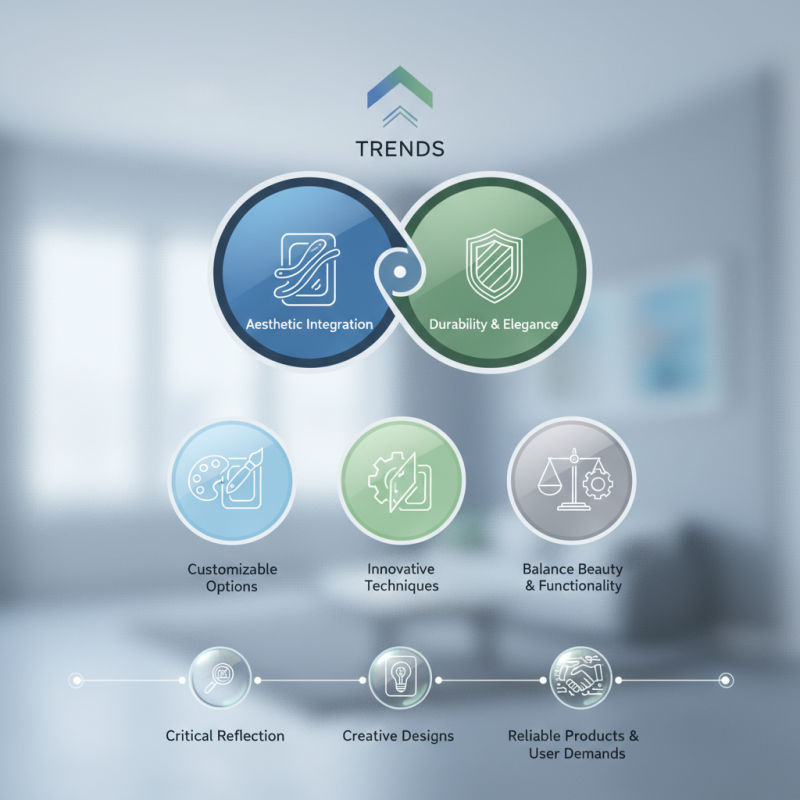
As homeowners hunt for unique looks, factories are getting a bit more creative, trying out new techniques. Take tempered glass, for example—it's not just sturdy but also looks elegant. Plus, custom options are becoming more popular, letting people really showcase their personality. But here’s the thing: trying to keep up with these trends isn’t always straightforward because not every cool design can handle real-world use.
Thinking about all this, a big question for folks in the Light Switch Glass Factory game is: how do we strike that perfect balance between looking good and staying practical? With all these new ideas popping up all the time, it’s more important than ever to stay thoughtful and careful. After all, the future’s not just about making beautiful things—it’s also about building products that actually work and meet what users need.
Emerging Materials in Light Switch Glass Manufacturing for 2026
The Light Switch Glass manufacturing industry is evolving dramatically as we approach 2026. Emerging materials are at the forefront of this shift. Reports indicate a growing interest in sustainable materials. For instance, recycled glass usage has increased by 30% in recent years. This trend highlights the industry's push toward environmental responsibility.
Innovations in material technology are essential. Manufacturers are experimenting with tempered and low-iron glass. This new approach enhances durability and aesthetic appeal. The clarity of low-iron glass provides a modern look. Additionally, coatings that reduce fingerprints and smudges are gaining traction. However, these developments require careful consideration of cost implications.
Despite advancements, challenges remain. The balance between sustainability and affordability is still under discussion. Some manufacturers struggle to meet the demand for eco-friendly materials. Industry reports show that 45% of companies face hurdles in sourcing recycled materials. The quest for innovation continues, but reflection on these challenges is crucial for future growth in the light switch glass market.
2026 Top Light Switch Glass Factory Trends and Innovations
Innovative Design Trends in Light Switch Glass for Modern Interiors
In modern interiors,
light switch glass plays a crucial role in enhancing aesthetics. The trend leans towards sleek designs that blend seamlessly with decor. Transparent and frosted options create a sophisticated atmosphere. Unique textures are gaining popularity, offering tactile experiences. Think about how these choices can change the feel of a room.
Color is also important. Neutral tones dominate, but bolder colors can create striking focal points. A vibrant
Switch Light Glass
can bring life to an otherwise plain wall. This approach invites creativity and personal expression in design choices.
Tips:
Consider contrasting the switch with wall colors. Mix textures for added depth. Reflect on how the switch light glass complements furniture. Avoid cluttering with too many patterns. Your space should feel cohesive, not chaotic.
Focus on the small details, as they can elevate the overall design.
Sustainability Practices in Glass Production for Light Switches
The glass industry is undergoing significant changes, particularly in light switch production. Sustainability stands at the forefront of these trends. According to a recent report, about 25% of glass manufacturers have adopted eco-friendly practices. This shift reflects a growing awareness of environmental impacts. The use of recycled materials is increasing. This not only reduces waste but also conserves energy.
Using materials like tempered glass in light switches showcases a commitment to sustainability. Tempered glass is stronger and lasts longer than traditional materials. It can reduce the need for frequent replacements. However, challenges remain. The high energy costs associated with glass production can hinder sustainability goals. Some manufacturers still struggle to find a balance between quality and eco-friendliness.
Tips: Consider sourcing light switches made from tempered glass. Look for certifications that indicate sustainability practices. It's also wise to check for energy-efficient production methods. These choices make a difference in reducing your carbon footprint. While the industry is evolving, more efforts are needed from manufacturers. The path to sustainability is not completely smooth yet. Continued innovation will be essential.
Technological Advances in Smart Light Switch Glass Solutions
The realm of smart home technology is rapidly evolving. One notable trend is the use of advanced glass materials in light switch designs. Products now feature sleek finishes and customizable colors. These innovations enhance aesthetics while offering practical functionalities. According to industry reports, the market for smart switches is projected to grow at a CAGR of 27.4% from 2021 to 2028.
Technological advances are making a significant impact. Many modern light switches integrate touch-sensitive controls and voice activation. These features allow users to manage lighting seamlessly. However, the complexity of these solutions poses challenges. Some users may struggle with setup or compatibility issues. Reports indicate that up to 20% of consumers express frustration with smart tech interactions.
Glass-based switches also promote energy efficiency. They often include smart sensors that optimize energy use. Such technology is beneficial in reducing household carbon footprints. Yet, the reliance on connectivity has its downsides. If internet access is lost, the functionality diminishes dramatically. Balancing innovation with usability remains crucial for future designs.
Market Analysis: Consumer Demands Driving Glass Switch Trends
In 2026, the demand for light switch glass designs is evolving rapidly. Consumers have begun to favor aesthetics alongside functionality. This shift creates opportunities for manufacturers. Glass switches are often chosen for modern and chic interiors, enhancing any space. They bring a clean and sleek style, making them appealing for homeowners.
Tips: Consider the size of switches. Oversized switches can be difficult to incorporate into smaller spaces. Assess your design carefully before installation.
The market analysis reveals a need for versatility. Consumers want switches that adapt to diverse home styles. It’s crucial to innovate while keeping the user experience in focus. Many designs overlook practical usability. Switches that are stylish but hard to operate may end up becoming frustrating.
Tips: Keep ease of use in mind. Test designs with actual users to see if they are functionality-focused. User feedback is essential for successful designs.
2026 Top Light Switch Glass Factory Trends and Innovations - Market Analysis: Consumer Demands Driving Glass Switch Trends
| Trend/Innovation |
Description |
Consumer Demand (% of Respondents) |
Expected Growth Rate (2026) |
| Smart Glass Switches |
Integration with home automation systems for remote control. |
65% |
30% |
| Eco-Friendly Materials |
Use of sustainable materials in glass production. |
55% |
25% |
| Customizable Designs |
Personalization options for colors and patterns. |
70% |
20% |
| Touch-sensitive Technology |
Elimination of physical switches for a minimalist look. |
60% |
15% |
| Voice Control Integration |
Compatibility with voice-activated home assistants. |
50% |
35% |
Future Projections for Light Switch Glass Factory Operations and Efficiency
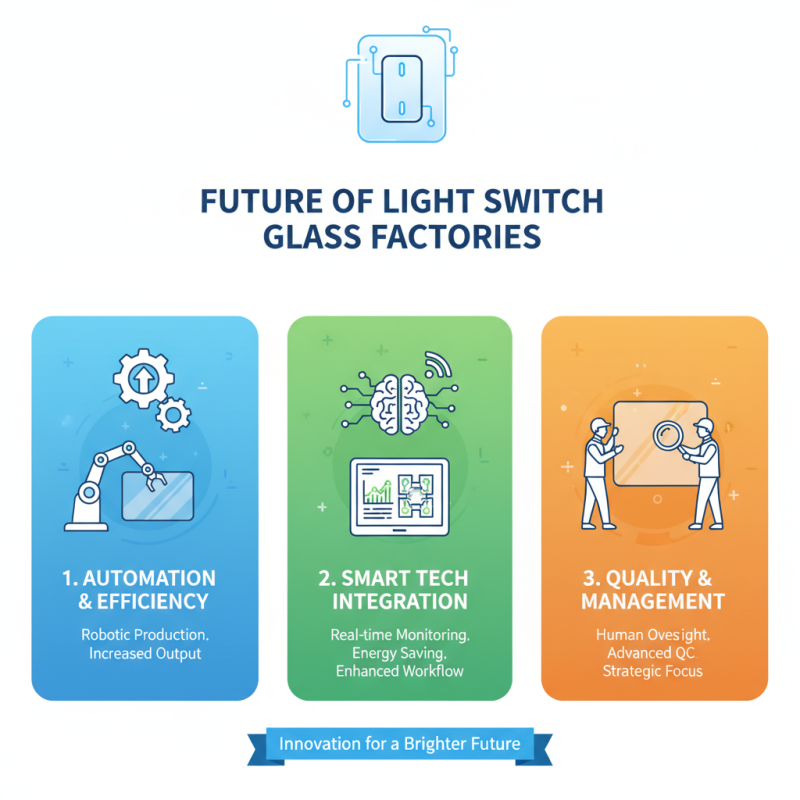
The future of light switch glass factory operations promises increased efficiency and modern innovations. As factories adapt to rising demands, automation will play a significant role. Smart technology integration allows for real-time monitoring of production lines. This not only saves energy but also enhances workflow efficiency. Employees will focus more on quality control and management.
Tip: Embrace automation gradually. Training your workforce is crucial. Ensure they understand new technology. This will minimize resistance and improve productivity.
Sustainability will take center stage. Using recycled materials can reduce waste significantly. Smart factories will prioritize eco-friendly practices, aligning with global standards. However, transitioning to sustainable methods often challenges traditional manufacturing processes. It requires careful planning and investment.
Tip: Assess your current supply chain. Identify areas where you can integrate sustainable materials. Small changes can lead to big impacts over time.
Global Perspectives: Regional Innovations in Glass Light Switch Manufacturing
Regional innovations in glass light switch manufacturing are transforming the industry. Various countries are adopting unique approaches. For instance, in Europe, minimalist designs that blend seamlessly with interiors are gaining popularity. These designs often feature frosted glass for a soft touch. Their appeal lies in their simplicity, enhancing modern decor.
In North America, there’s a strong emphasis on sustainability. Manufacturers are exploring recycled materials to create eco-friendly glass switches. This trend reflects a growing awareness of environmental issues among consumers. However, challenges remain. The production methods may not yet match demand. Innovations in technology can bridge this gap.
China Light Switch Glass production is also evolving. Techniques are being refined to improve efficiency. Yet, the speed of innovation raises questions. Are quality and craftsmanship being compromised? The balance between rapid production and durability is crucial. These regional differences highlight the dynamic landscape of the glass light switch market. Each area contributes distinct ideas while facing common hurdles.
Enhancing Security with Premium 3mm Smart Lock Glass Covers: Insights from the Latest Industry Security Reports
In today's digital age, securing our homes and businesses is more critical than ever. Recent industry security reports highlight the importance of adopting advanced security measures, particularly the use of premium smart lock systems. To enhance the effectiveness of these systems, incorporating a 3mm thick, high-strength glass cover can offer significant advantages. This elegant yet durable solution not only provides an aesthetically pleasing appearance but also protects essential components from daily wear and tear.
The smart lock glass cover is designed specifically for modern smart lock setups, ensuring compatibility while maintaining functionality. Its crystal-clear surface allows for easy visibility and access to password keypads, ensuring that users can interact seamlessly with their locks. Additionally, this smooth area is ideal for swiping access cards, making the entry process both secure and efficient. By shielding the intricate internal mechanisms of the smart lock, the glass cover ensures a longer lifespan, safeguarding your investment against environmental damage and potential wear caused by frequent use.
FAQS
: The product aims to improve daily life. It offers convenience in various tasks.
Follow the provided instructions. Ensure all parts are correctly assembled.
Yes, the product is designed for easy cleaning. Use a damp cloth for quick maintenance.
Check the warranty policy. Repairs may be available at designated service points.
Yes, returns are accepted within a specified period. Keep the original packaging for returns.
Avoid using the product near water. Always supervise children when in use.
Consult the user manual. Customer support is also available for additional inquiries.
It may be used outside, but avoid extreme weather. Prolonged exposure may cause damage.
Durability varies by usage. Regular maintenance helps extend its lifespan.
Some features may be customizable. Check the guidelines for personalization options.
Conclusion
The article explores the emerging trends and innovations in the light switch glass factory sector for 2026. It highlights new materials being utilized in the manufacturing process, emphasizing how these advancements contribute to both aesthetic appeal and functional performance. Innovative design trends cater to modern interior aesthetics, while sustainability practices are increasingly integrated into glass production, reflecting a growing consumer preference for eco-friendly solutions.
Additionally, the discussion focuses on technological advancements that enhance smart light switch glass solutions, underscoring the importance of connectivity and user experience. A market analysis reveals shifting consumer demands that directly influence production practices. Future projections suggest a shift towards more efficient operations within light switch glass factories, with regional innovations showcasing diverse approaches to manufacturing, ensuring a competitive edge in the global market.